Common Types of Mold in Buildings
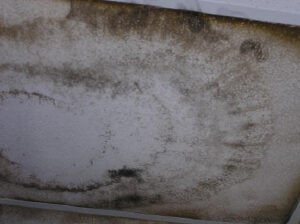
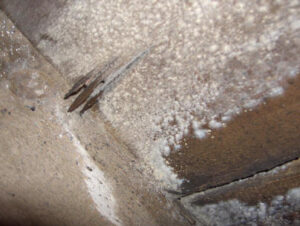
A little knowledge can go a long way, and this is undoubtedly true of indoor mold contamination. Being aware of the different types of mold that are likely to manifest inside a home or office makes the process of removing that contamination that much easier. Often, people who are ignorant of the types of molds that afflict a building interior tend to mention the readily visible molds. Conversely, they fail to report the molds that lurk beneath and behind the surfaces. It would be prudent and better informed about the mold species that have increased houses and workplaces over the last 20 or so years so that at least one would have a better idea of what to expect.
Aspergillus
The Aspergillus mold species are perhaps the most prevalent that you can find on indoor building surfaces. They are typically detected on girders and beams, in damp basement areas, and crawl spaces, which are likely to accumulate moisture. They also grow in cabinets, kitchens, bathroom areas, and even books and cardboard boxes. Aspergillus is perhaps the mold most widely adapted to grow on almost any indoor surface type, which is a concern because of links between this mold and the emergence of respiratory disease. Penicillium is another mold type that is quite common in households, appearing in many of the surfaces and materials afflicted by Aspergillus.
Stachybotrys
The monstrous Stachybotrys or “black mold” species, infamous for its connection with toxic mold poisoning, is commonly found in areas exposed to moisture or high humidity, such as on drywall. It also manifests in air ducts, ventilation shafts, and wooden furniture and upholstery. You may also encounter Stachybotrys behind wallpaper, where it may grow unnoticed, releasing spores into the atmosphere.
Cladosporium
Cladosporium is a mold that grows on porcelain, roof sheathing, paper, pine boards, and attic surfaces. It has also found in metal, plastic, and fiberglass ducts and appliances. While the indoor areas are more the province of Aspergillus and Penicillium, Cladosporium is the king of the outdoors, particularly on broad exterior surfaces. Other less common types of molds show up indoors and around buildings, such as Stemonitis and Taeoniella. Still, it is the first four that are frequently encountered by mold remediators and building inhabitants.
These molds are more likely to thrive depending on prevailing circumstances in these areas or surfaces. For instance, air ducts are more susceptible when damaged by flooding or leaks combined with organic building dust to create ideal mold growth conditions. For surfaces, the type of paint used and the composition of the material or fabric are essential factors influencing or discouraging mold growth. Mold may also grow depending on the amount of food debris or animal dander scattered about due to neglect with regular house cleaning. Do not forget that molds enjoy dark, concealed spots, so the insides and undersides of furniture are the right places to look for them.
IAQ Environmental inspectors trained to deal with mold problems. We look for the mold at its source and consult our clients on the right course of action. Our service includes mold inspection and testing, mold remediation protocol, and mold clearance for no mold.
Our service areas include Houston and surrounding suburbs.